
The Importance of Water Quality in Koi Keeping
Updated: Sep 10
If you are new to koi keeping, remember this first: Koi don’t die from lack of medication; they die from poor water. Good water is the foundation of a healthy koi pond. You can have the most expensive fish, but if the water is unstable, they will lose color, get stressed, grow slowly, and become vulnerable to disease.
Essential Water Parameters to Test
A proper koi test kit should include:
Ammonia (NH3/NH4) – must be 0 (highly toxic)
Nitrite (NO2) – must be 0 (very toxic)
Nitrate (NO3) – keep low (ideally under 20 ppm)
pH – stable between 7.0 – 8.0 (stability matters more than the exact number)
KH (Alkalinity) – supports pH stability (aim for ~150 ppm or higher)
GH (General Hardness) – helps understand your water base
Chlorine/Chloramine – must be 0 before adding water to the pond
Water Temperature – affects digestion and oxygen levels
Dissolved Oxygen (DO) – ideally 8–12 mg/L for healthy koi
Simple Understanding of Water Parameters
Ammonia: Comes from waste and uneaten food → deadly
Nitrite: Also toxic → must be zero
Nitrate: Less toxic but harmful long-term if high
pH: Doesn’t need to be perfect, just stable
KH: Prevents sudden pH crashes
Chlorine: Silent killer in tap water
5 Keys to Perfect Koi Water
Strong biological filtration (beneficial bacteria must be established)
Do not overfeed your koi
Regular water changes (small and consistent, not sudden large ones)
Heavy aeration (oxygen = health)
Test your water regularly (never guess)
Practical Routine for Testing Water
New pond: Test daily or every other day
Established pond: Test 1–2 times per week
After rain, water changes, introducing new fish, or if fish are acting abnormal: test immediately
The Final Truth About Koi Keeping
Clear water does not mean clean water. Many ponds look beautiful but still contain toxic levels. Koi keeping is not based on feeling; it is based on water quality.
Building a Healthy Koi Environment
Creating a thriving environment for your koi involves more than just maintaining water quality. It requires a commitment to understanding their needs and providing the best possible care.
Choosing the Right Koi
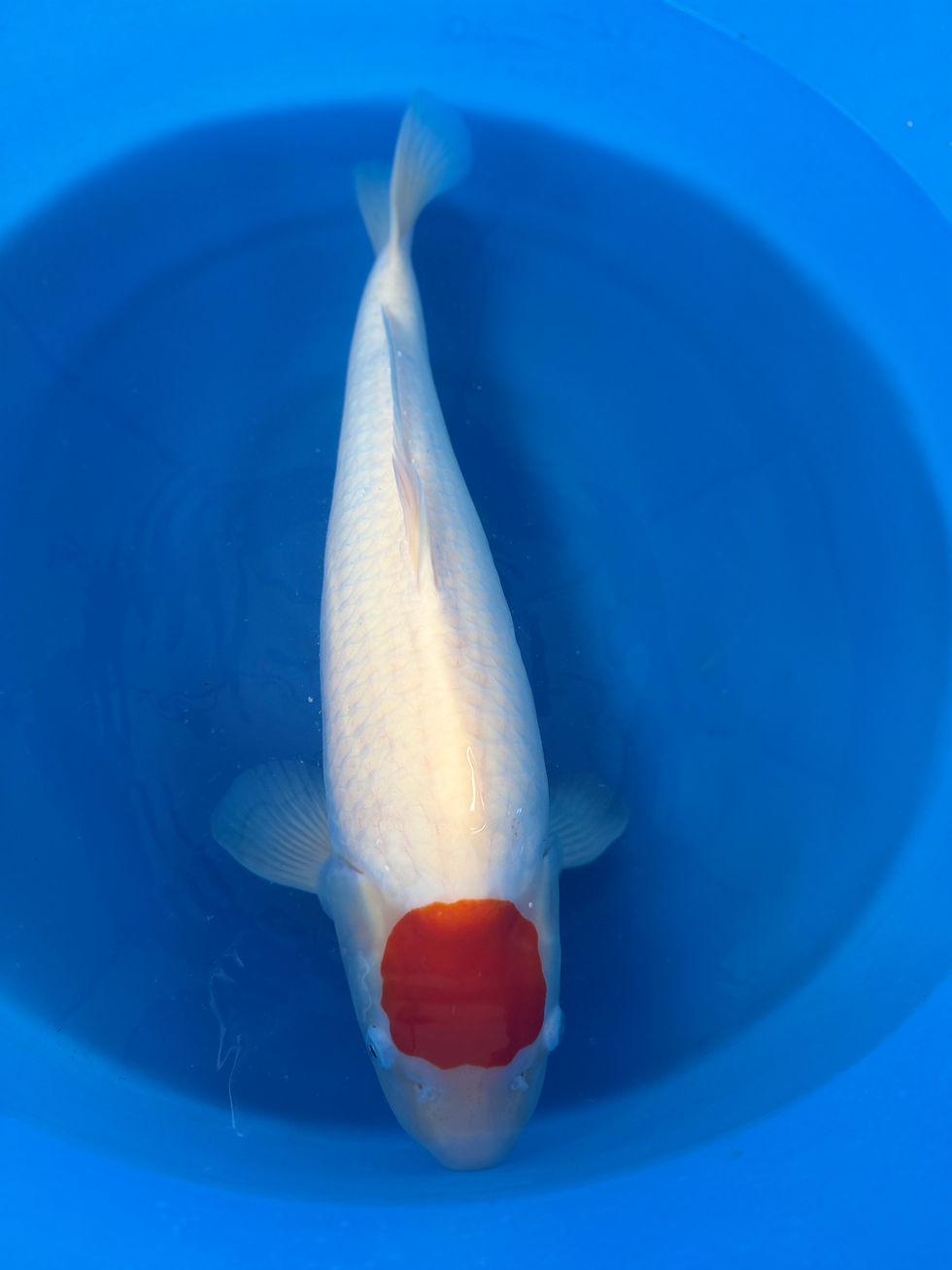
When selecting koi, consider their lineage and health. Premium quality koi often come from reputable sources. At Infinity Koi Farm LLC, we pride ourselves on offering the finest Japanese koi with a Live Arrival Guarantee. This ensures that your koi arrive healthy and ready to thrive in their new home.
Feeding Your Koi
Feeding is a crucial aspect of koi care. Choose high-quality koi food that meets their nutritional needs. Remember, overfeeding can lead to poor water quality, so feed them in moderation.
Maintaining Your Pond
Regular maintenance of your pond is essential. This includes cleaning filters, checking water levels, and ensuring that the aeration system is functioning properly. A well-maintained pond is key to a healthy koi environment.
Engaging with the Koi Community
Joining a koi community can enhance your experience. It provides opportunities to learn from others, share your experiences, and gain valuable insights into koi care.
In conclusion, understanding and maintaining water quality is paramount in koi keeping. By following these guidelines, you can create a beautiful and healthy environment for your koi to thrive. Remember, the journey of koi keeping is rewarding, and with the right knowledge and support, you can enjoy the beauty of these magnificent fish for years to come.


Comments